
Mastering Industrial Automation: Why This Is the Best PLC Programming Course in Chandigarh
The world of manufacturing, engineering, and factory operations is undergoing a massive digital shift. Behind every smooth-running assembly line, automated packaging plant, and smart power grid lies a powerful invisible brain: the Programmable Logic Controller. If you want to build a high-paying, future-proof career in modern engineering, understanding how these systems operate is no longer optional—it is essential. Choosing the right learning path can feel overwhelming, but finding a program that combines deep practical exposure with expert mentorship changes everything.
For students and professionals across Punjab, Haryana, and the surrounding Tricity region, gaining industry-ready skills is the ultimate key to success. This comprehensive exploration examines how industrial automation is transforming modern engineering and why enrolling in a top-tier training program gives you an unmatched competitive edge.

The Evolution of Industrial Manufacturing and Automation
Traditional factories relied heavily on manual labor, mechanical relays, and hardwired control panels. Whenever a modification was needed in the assembly process, technicians had to manually rewire massive control boards, leading to extended downtime and high error rates. The introduction of programmable control systems revolutionized this landscape entirely.
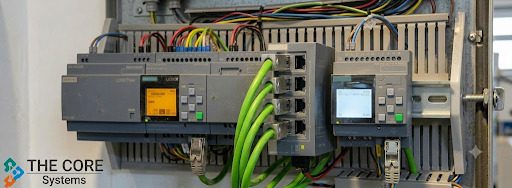
Today, automated hardware allows engineers to control complex machinery using software logic. This shift has dramatically improved production speed, reduced human error, and enhanced workplace safety. As smart manufacturing continues to expand, industries are actively seeking skilled professionals who understand how to design, program, and troubleshoot these advanced control environments.
Understanding Programmable Control Systems
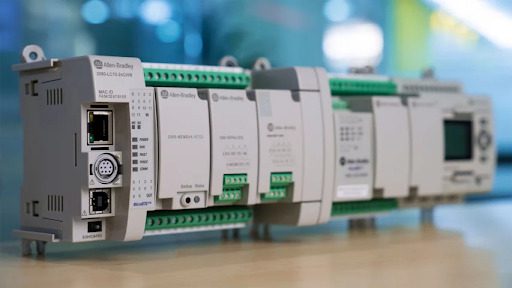
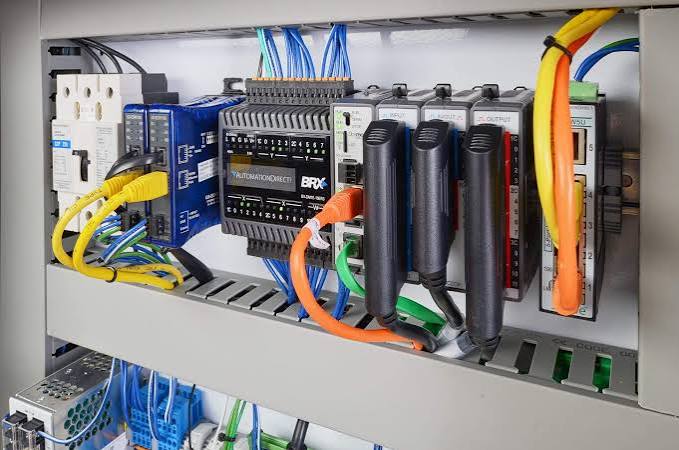
At its core, a Programmable Logic Controller is a ruggedized digital computer used to automate industrial processes. Unlike standard desktop computers, these controllers are built to withstand harsh factory conditions, including extreme temperatures, humidity, vibration, and electrical noise.
Core Components of an Industrial Controller
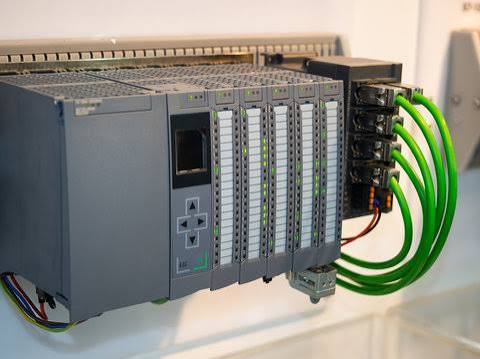
Every standard automation setup consists of several key parts working together:
- Central Processing Unit (CPU): The central brain that executes control programs and manages internal data.
- Input Modules: Receive signals from physical sensors, push buttons, and limit switches.
- Output Modules: Send operational commands to actuators, motors, valves, and indicator lights.
- Power Supply Unit: Converts incoming alternating current into direct current required by internal processor circuits.
Why Industrial Automation Skills Matter in Today’s Job Market
Engineering graduates often face a gap between theoretical classroom learning and practical industry requirements. While academic textbooks teach fundamental logic gates and electronic principles, modern employers demand hands-on familiarity with live control panels, wiring diagrams, and troubleshooting techniques.
By mastering a PLC Programming Course in Chandigarh, you bridge this gap instantly. Employers value candidates who can minimize equipment downtime and optimize factory output. Whether you aim to work in automotive manufacturing, pharmaceutical production, or water treatment facilities, having verifiable automation expertise makes your resume stand out immediately.
Exploring the Core Curriculum of a Professional Training Program
A well-structured PLC Programming Course covers everything from foundational electronics to advanced system integration. Students learn how hardware and software interact to control heavy industrial machinery seamlessly.
Foundational Electronics and Control Logic
Before writing any code, learners must understand how electrical signals flow through a system. This involves studying relay logic, circuit diagrams, sensor interfacing, and signal conditioning. Grasping these foundational elements ensures that you can safely wire input and output devices without risking equipment damage.
Introduction to Programming Languages
Industrial controllers utilize specialized programming languages defined by international standards. The most common languages taught in a professional PLC Programming Course include:
- Ladder Diagram (LD): A graphical language resembling electrical relay logic schematics, making it intuitive for electricians and engineers.
- Function Block Diagram (FBD): A graphical approach using interconnected functional blocks for complex signal processing.
- Structured Text (ST): A high-level textual language similar to Pascal or C, ideal for advanced mathematical computations.
Hands-On Training vs. Theoretical Learning
Theory alone cannot prepare an engineer for the realities of a factory floor. When unexpected errors occur, technicians must rely on practical troubleshooting experience.
The Importance of Practical Labs
A top-tier training facility provides physical access to industrial workstations. Working directly with wiring terminals, communication cables, and live simulation panels allows students to make mistakes and learn solutions in a controlled environment. This hands-on confidence is precisely what hiring managers look for during technical interviews.
Career Opportunities After Completing a PLC Programming Course
Completing a comprehensive training program opens doors to diverse career paths across multiple engineering sectors.
Prominent Job Roles
- Automation Engineer: Designs, implements, and maintains automated control systems for manufacturing plants.
- Controls Technician: Focuses on troubleshooting, repairing, and upgrading existing machinery and control panels.
- System Integrator: Combines different hardware and software subsystems to ensure seamless communication across factory floors.
- Maintenance Engineer: Ensures continuous operation of plant equipment by performing routine diagnostics and rapid error resolution.
The Role of The Core Systems in Industrial Training
Based in the Chandigarh and Mohali region, The Core Systems has established itself as a premier destination for technical education and professional development. Known for bridging the gap between academia and industry, the organization delivers cutting-edge training programs tailored to current market demands.
Comprehensive Technical Offerings
Beyond industrial automation, The Core Systems provides advanced instruction across a wide array of high-tech domains. Students and professionals can explore specialized tracks in artificial intelligence, data science, full-stack web development, Internet of Things, embedded systems, Python programming, cloud computing, cybersecurity, and Linux administration.
Industrial Automation and the Rise of Smart Factories
As industries transition toward Industry 4.0, traditional manufacturing plants are evolving into smart, interconnected ecosystems. Modern controllers now communicate directly with cloud databases, enterprise resource planning software, and remote monitoring dashboards.
Integration with IoT and IIoT
The convergence of operational technology and information technology allows engineers to monitor factory performance from anywhere in the world. Enrolling in a forward-thinking PLC Programming Course ensures you stay ahead of these trends, preparing you to work with cloud-connected hardware and modern data analytics tools.
What to Look for When Choosing a Training Provider
With numerous institutes offering technical classes, selecting the right program requires careful consideration of several key factors.
Key Evaluation Criteria
- Instructor Expertise: Ensure mentors possess real-world field experience in designing and commissioning industrial projects.
- Infrastructure Quality: Verify that the institute provides adequate lab access and modern hardware workstations.
- Placement Assistance: Look for programs offering dedicated career guidance, resume workshops, and interview preparation.
- Curriculum Relevance: Check whether the syllabus covers contemporary programming standards and modern communication protocols.
Overcoming Common Challenges in Learning Automation
Many beginners worry that learning industrial control systems requires an extensive background in complex software coding. Fortunately, graphical programming languages like Ladder Logic make the learning curve manageable for individuals with basic electrical knowledge.
Tips for Success
- Focus on Logic Building: Understand how logical conditions translate into physical outputs.
- Practice Troubleshooting: Spend extra time learning how to diagnose faulty sensors and wiring issues.
- Engage in Projects: Build small simulated projects to solidify your understanding of timers, counters, and memory bits.
The Future of Industrial Engineering in the Region
The Chandigarh, Mohali, Punjab, and Haryana belt is witnessing rapid industrial growth. With numerous manufacturing hubs, industrial zones, and tech parks expanding across the region, the demand for certified automation professionals continues to surge.
Local engineering graduates no longer need to relocate to metropolitan hubs to find quality technical training. Institutions like The Core Systems bring world-class curriculum and practical infrastructure directly to the Tricity area, empowering local talent to secure rewarding engineering careers.
Conclusion
Stepping into the world of industrial automation is one of the most rewarding career moves an engineer can make. By mastering control logic, sensor integration, and system troubleshooting, you position yourself at the heart of modern manufacturing innovation. Whether you are a fresh university student looking to build a competitive resume or an industry professional seeking to upgrade your technical capabilities, investing in a structured PLC Programming Course is your gateway to long-term professional success. Embrace hands-on learning, explore advanced technological concepts, and take the first step toward transforming your engineering career today.
What is the primary focus of a PLC Programming Course?
Do I need prior coding experience to learn PLC programming?
How long does it typically take to complete the training?
What kind of career support does The Core Systems provide?
Contact Us
 WhatsApp us
