

Mastering Industrial Control: Why This Is the Best PLC Automation Course in Karnal
Industrial automation is transforming the way modern manufacturing plants, smart factories, and energy grids operate. At the heart of this digital transformation lie Programmable Logic Controllers, commonly known as PLCs. If you are a university student preparing for the job market or an industry professional looking to upgrade your skill set, finding the right training program is your first step toward success. Welcome to the comprehensive guide for the Best PLC automation course in Karnal, brought to you by The Core Systems.

Whether you want to design automated assembly lines, program robust industrial machinery, or step into the lucrative world of industrial robotics and smart manufacturing, mastering PLCs is essential. In this article, we will explore everything you need to know about automation technology, what makes a great training program, and why choosing the Best PLC automation course in Karnal will skyrocket your career potential.
The Rise of Smart Manufacturing and Industrial Automation
Manufacturing and production sectors are undergoing a massive shift. Traditional manual supervision is rapidly being replaced by intelligent systems that operate with minimal human intervention. Industrial automation relies on sensors, actuators, and controllers working in real-time to monitor and manage physical processes.
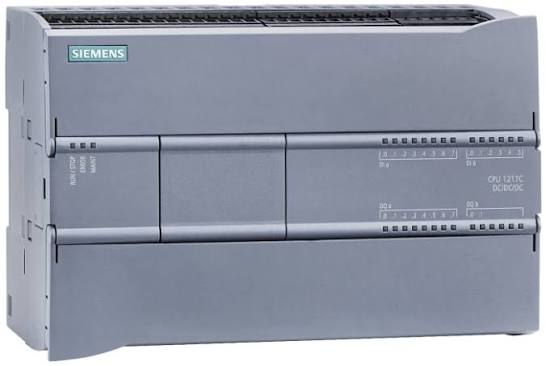
At the center of this ecosystem is the Programmable Logic Controller. A PLC acts as the industrial brain of a factory floor. It receives input signals from various sensors, processes the data based on user-defined logic, and sends output commands to motors, valves, and switches. Without robust automation systems, modern mass production, quality control, and workplace safety would be virtually impossible.
Why Industries Are Rapidly Adopting Automation
-
Enhanced Productivity: Automated systems can operate continuously without fatigue, significantly boosting factory output.
-
Superior Precision: Programmable controllers eliminate human error, ensuring uniform product quality across millions of cycles.
-
Improved Workplace Safety: Dangerous tasks, such as handling hazardous chemicals or lifting heavy loads, are safely delegated to automated machinery.
-
Real-Time Data Monitoring: Modern automated systems collect vast amounts of operational data, enabling predictive maintenance and reducing costly downtime.
Understanding Programmable Logic Controllers (PLCs)
Before diving into training specifics, it helps to understand what makes PLCs so powerful. A PLC is a ruggedized industrial computer designed to withstand harsh factory conditions—such as extreme temperatures, vibrations, moisture, and electrical noise.
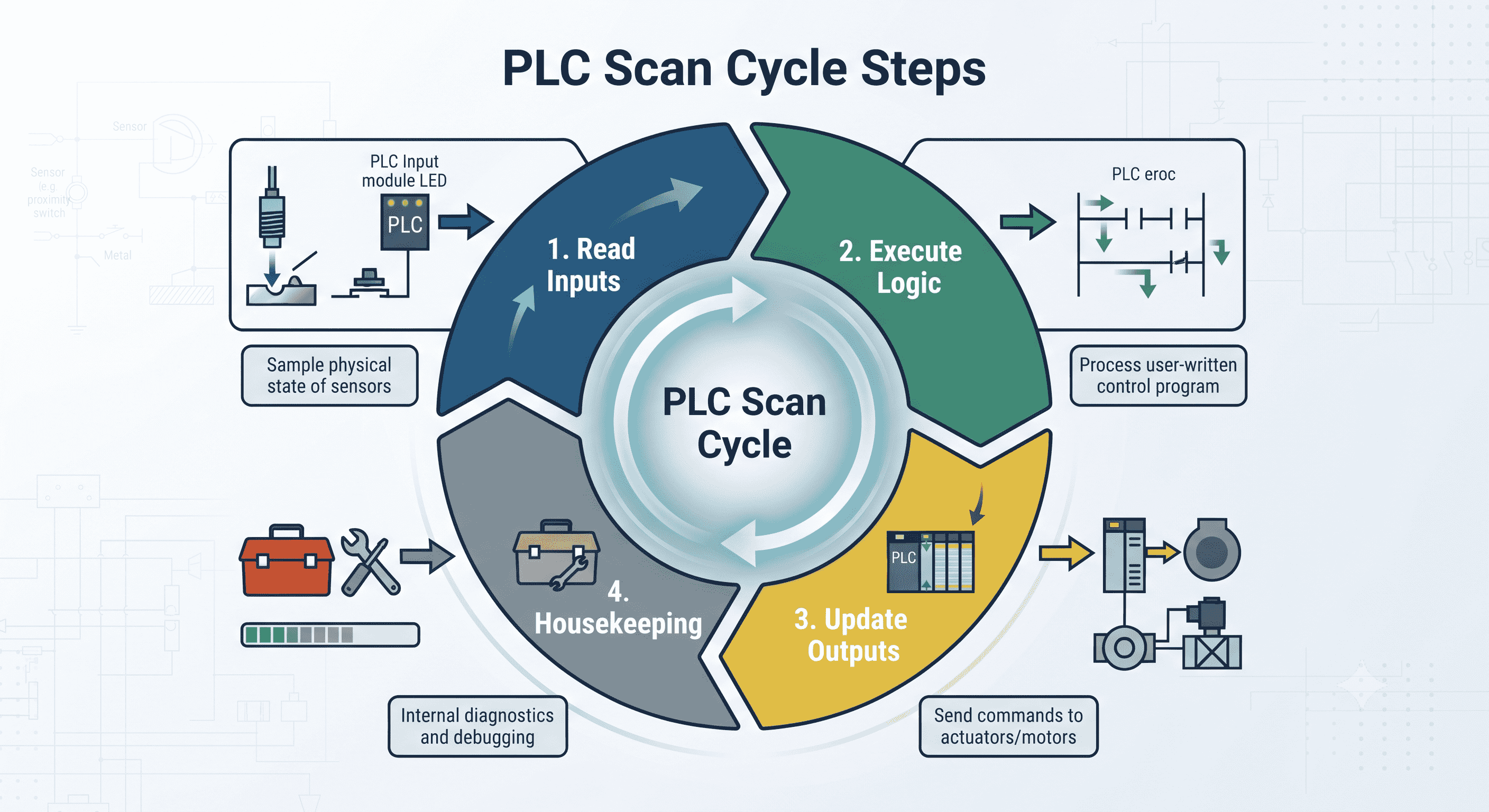
Unlike standard desktop computers, PLCs are built for deterministic execution. This means they execute their control programs repeatedly in a fast, predictable cycle known as a scan cycle. During this cycle, the controller reads inputs, updates its internal memory, executes the ladder logic program, and updates its outputs.
Key Components of a PLC System
-
Central Processing Unit (CPU): The brain that stores and executes the user program while managing internal communications.
-
Input/Output (I/O) Modules: The physical interface connecting field devices like push buttons, limit switches, and motor starters to the CPU.
-
Power Supply Unit: Converts incoming AC or DC power into the low-voltage DC required by the internal processor and logic circuits.
-
Programming Device: A computer or handheld terminal used to write, edit, and upload control code to the controller.
Exploring the Best PLC Automation Course in Karnal
When searching for professional technical training, students and engineers need a curriculum that balances theoretical foundations with intensive practical application. The Best PLC automation course in Karnal is meticulously crafted to bridge the gap between academic learning and real-world industrial demands.
At The Core Systems, our training methodology focuses on experiential learning. We believe that true technical mastery comes from building, testing, and troubleshooting actual control systems rather than just reading textbooks. Our programs cater to both fresh graduates and working professionals who want to stay ahead of industry trends.
Key Highlights of Our Professional Training Program
-
Industry-Aligned Curriculum: Designed in consultation with veteran automation engineers to match current plant requirements.
-
Hands-On Lab Sessions: Extensive practice on industry-standard software simulation and hardware trainer kits.
-
Expert Mentorship: Learn directly from seasoned instructors who bring years of field experience to the classroom.
-
Comprehensive Career Support: Benefit from resume-building workshops, mock technical interviews, and dedicated placement assistance.
Comprehensive Curriculum Breakdown
To become a proficient automation engineer, learners must master several interconnected technical domains. The Best PLC automation course in Karnal takes students through a structured learning path, starting from basic electrical concepts and advancing to complex industrial network architectures.
Phase 1: Fundamentals of Electrical and Control Circuits
Every automation project starts with understanding basic electrical wiring. Students learn about relay logic, contactors, push buttons, timers, and sensors. Understanding how electrical signals flow through hardwired circuits is essential before transitioning to software-based control logic.
Phase 2: Introduction to Ladder Logic Programming
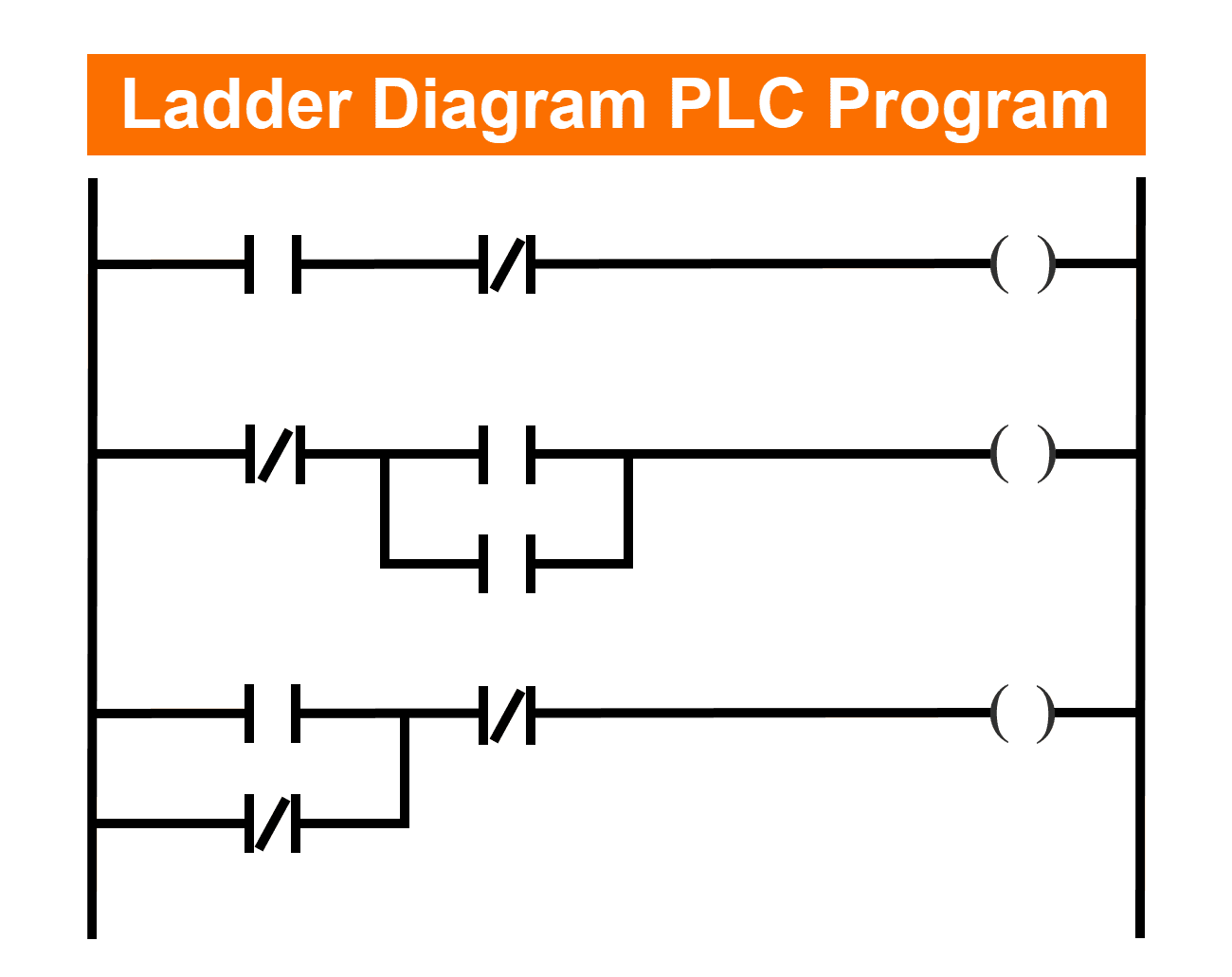
Ladder logic is the most widely used programming language for industrial controllers. It is designed to mimic traditional electrical relay schematics, making it intuitive for electricians and engineers. Students learn how to write, debug, and optimize ladder diagrams for various logical conditions.
Phase 3: Advanced PLC Instructions and Functions
Once basic logic is mastered, students advance to complex programming instructions. This includes arithmetic operations, data comparisons, shift registers, sequencers, and PID (Proportional-Integral-Derivative) loop control for regulating temperature, pressure, and flow rates.
Phase 4: Human-Machine Interface (HMI) Integration
An automation system is incomplete without a way for operators to interact with it. HMI panels provide graphical dashboards that display real-time machine status, alarms, and production metrics. Students learn how to design intuitive screens and link them seamlessly with backend control systems.
Comparing Industrial Automation Technologies
To appreciate the scope of the best PLC automation course in Karnal, it helps to compare different control technologies used across modern industrial plants.
| Technology | Primary Use Case | Complexity Level | Typical Application |
| Hardwired Relay Logic | Simple, fixed control tasks | Low | Basic motor starting and interlocking |
| Programmable Logic Controller (PLC) | Sequential and logic control | Moderate | Conveyor belts, packaging, assembly lines |
| Distributed Control System (DCS) | Large-scale continuous processes | High | Oil refineries, chemical plants, power generation |
| Supervisory Control (SCADA) | Plant-wide monitoring and data acquisition | Advanced | City water treatment, smart grids |
As shown in the table above, PLCs occupy the sweet spot of versatility, reliability, and cost-effectiveness for discrete manufacturing and hybrid industrial processes.
The Role of The Core Systems in Technical Education
The Core Systems has established itself as a premier center for technical education and professional development. Established in 2001, our organization specializes in cutting-edge technology domains, including AI software development, IoT, IIoT, data analytics, embedded systems, and industrial automation.
Our regional focus spans Chandigarh, Mohali, Punjab, Haryana, and surrounding areas, where we actively collaborate with industrial partners to deliver corporate training and advanced technological solutions. By choosing the Best PLC automation course in Karnal, students gain direct access to our rich legacy of technical excellence and industry networking.
Why Choose The Core Systems for Your Career?
-
Decades of Expertise: Over two decades of experience delivering top-tier technical training and software solutions.
-
Multi-Disciplinary Approach: Opportunities to explore related fields like Python programming, AWS cloud computing, and embedded systems.
-
Practical Project Exposure: Work on live industrial case studies that simulate real-world factory floor challenges.
-
Robust Alumni Network: Join thousands of successful graduates working in top engineering firms across India and abroad.
Career Opportunities After Completing a PLC Course in Karnal
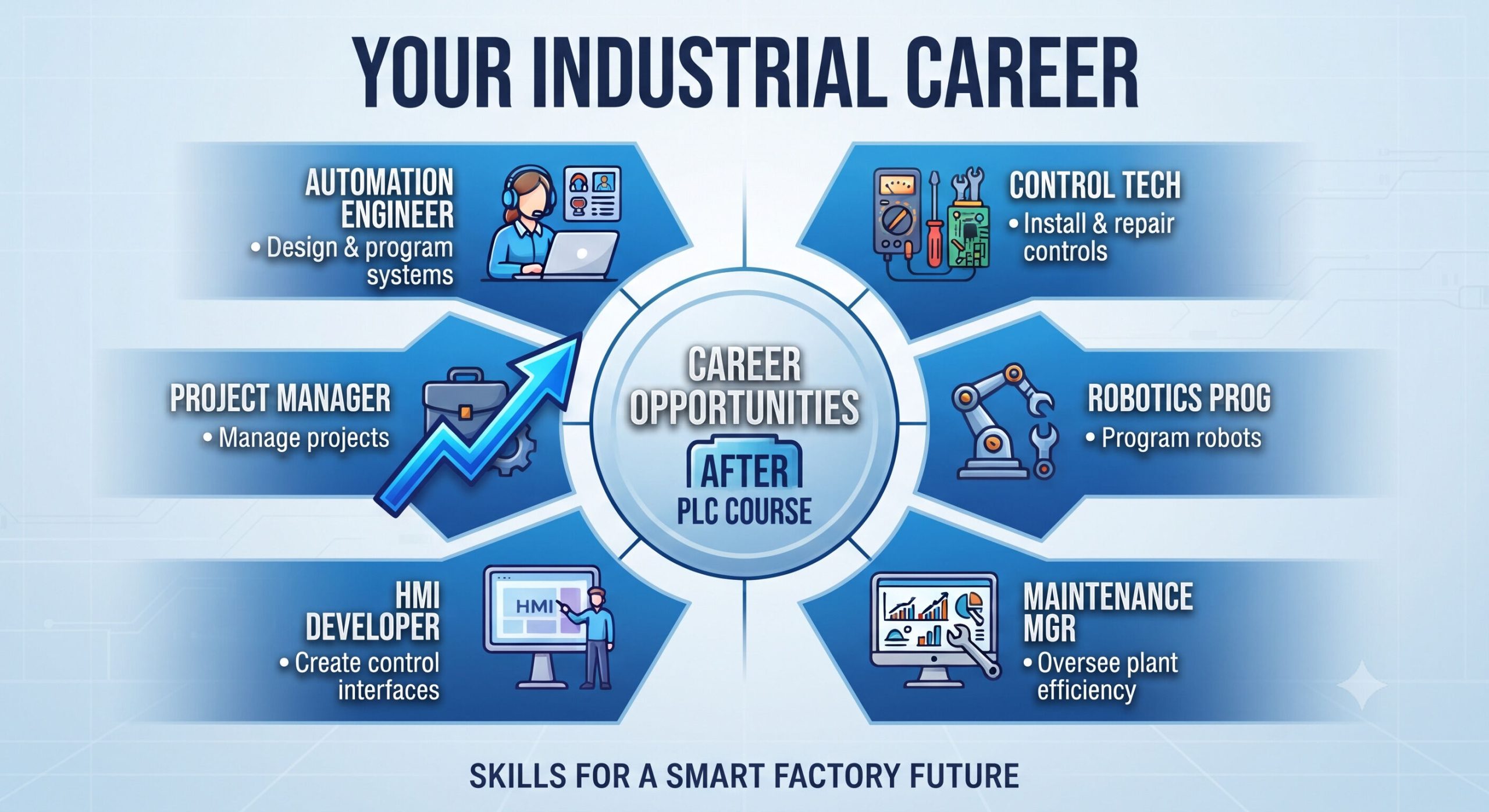
Completing a professional PLC course in Karnal opens up a wide array of high-paying career paths in the manufacturing, energy, automotive, and infrastructure sectors. As industries race to adopt smart manufacturing practices, the demand for certified automation engineers far outstrips the available supply.
Top Job Roles for Certified Automation Professionals
-
Automation Engineer: Responsible for designing, programming, and maintaining automated production machinery.
-
PLC Programmer: Specializes in writing, testing, and troubleshooting control logic software for industrial controllers.
-
Maintenance Engineer: Ensures smooth daily plant operations by diagnosing electrical and logical faults in automated lines.
-
HMI/SCADA Developer: Focuses on creating user interfaces and data acquisition dashboards for plant operators.
-
Commissioning Engineer: Travels to client sites to install, test, and sign off on newly automated industrial setups.
According to recent industry insights from trusted technology publications, engineers skilled in industrial control systems enjoy rapid career progression and competitive compensation packages [Insert link to reputable tech journal/site].
Essential Skills Developed During the Training
Technical knowledge alone is not enough to succeed in the industrial sector. The Best PLC automation course in Karnal is designed to instill a holistic set of technical and problem-solving skills that employers actively look for.
1. Logical Troubleshooting and Debugging
When a multi-million-dollar production line stops working, every minute of downtime costs thousands of dollars. Trainees learn systematic troubleshooting techniques to quickly isolate electrical faults, sensor failures, or logic errors in the code.
2. Cross-Disciplinary Integration
Modern factories do not operate in silos. An automation engineer must understand how PLCs communicate with sensors, pneumatics, hydraulic actuators, and enterprise software systems like MES and ERP.
3. Safety Standards and Compliance
Industrial machinery operates under strict safety guidelines. Students are trained in international safety standards, emergency stop circuits, and fault-tolerant design principles to ensure safe working environments.
Frequently Asked Questions (FAQs)
What is the eligibility criterion to join the best PLC automation course?
How does a PLC course help fresh graduates find jobs?
Does The Core Systems provide placement assistance after the automation Course ?
Can working professionals enroll in this training program?
Why should I choose The Core Systems over other training institutes?
Contact Us
 WhatsApp us